Welcome to our blog for Intellectual Property Law and Practice in Latin America!
¡Bienvenidos a nuestro blog de Derecho y Práctica de la Propiedad Intelectual en Latinoamérica!
Bem-vindo ao nosso blog sobre Direito e Prática de Propriedade Intelectual na América Latina!

Thursday, 15 September 2011

Patricia Covarrubia

Previous material control on the internet would breach confidentiality

    No comments:
The Brazilian Third Chamber of the Superior Court of Justice (STJ) has held that Services Providers are not required to apply any earlier control on material posted on the Internet, however they need to keep track and remove offensive content. This decision denied a claim for compensation against Google Brazil Internet Ltda and its site Orkut (social networking site) .

Background of the case
An Orkut’s user claimed that he was offended by the content published on this site. The first Instance court determined the removal of the offensive material (a photo album and its content) and payment of R$ 8,300 for moral damages. Google appealed and the Court dismissed it believing that the site would have developed tools to restrain abuses and to identify the user responsible for the offenses.

The case reached the STJ: Google claimed that the Court sentence was extra petita (judge holding something other than what was the requested action), since at no time the claimant asked for information about the user responsible for the said offences. It also argued that not having participated in the creation of Orkut’s offensive material it could not be held liable and be required to indemnify the victim -- under articles 182 and 927 of the Civil Code, the perpetrator of the offense is the only one required to compensate.

The rapporteur of the process, minister Nancy Andrighi, held that Google's liability should be restricted to the nature of the activity developed by it. To this effect, the services offered by the company via Orkut include confidentiality, security and inviolability of customers’ data. Therefore, "regarding the supervision of the information posted by users, it is not an inherent activity of the service, so it cannot be considered to be defective, in accordance with Article 14 of the CDC". Interestingly, the minister argued that if previous control (in this case by Google) of material is required, then it would be a breach of confidentiality of communications prohibited by Article 5, section XII of the Federal Constitution. Moreover, she claimed that early verification of the content would eliminate one of the biggest attractions of the Internet, which is the transmission of data in real time.

However, the minister argued that there is still responsibility for traffic information saying that "there is however the duty, once aware of the existence of a message which is offensive, to withdraw it immediately from the air". To this effect she noted that the company took the offensive material from the air as soon it was informed of the situation. In addition, Google maintains a channel for people, or non users who have had their identities stolen on Orkut, to request the removal of the account and report other abuses. Concluding, the minister removed Google’s obligation to indemnify.

The case is Process No REsp 1186616
Read More
Rodrigo Ramirez Herrera @ramahr

SAPI toma posición sobre transferencias de marcas venezolanas a empresas extranjeras

Mediante un comunicado de prensa oficial, el Director del Servicio Autónomo de la Propiedad Intelectual (Sapi) de Venezuela, José Villalba resaltó que marcas venezolanas clásicas están siendo transferidas a inversores extranjeros con la finalidad, "de obtener dólares mediante la Comisión de Administración de Divisas (Cadivi)" pues al no ser dueñas de la marca, las compañías venezolanas deben pagar por su utilización, según informó.
 
En el comunicado de prensa reseñó que las Empresas Polar, de alimentos y bebidas, ha vendido desde 2004 casi todas sus marcas a firmas no venezolanas, entre las cuales está Harina P.A.N. que data de 1960 y que hoy pertenece a la compañía canadiense Deutsche Transnational Trustee Corporation (DTTI) que también adquirió la marca Polar de Cervecería Polar. El mismo funcionario informó que el diario El Universal, fundado hace 102 años en Venezuela, también es una marca propiedad de DTTI. Pampero, marca de ron que pertenecía a Industrias Pampero, y Cacique, que era de Licorerías Unidas, pasaron a ser propiedad de R & A Bailey And Co., domiciliada en Irlanda, dueños de la marca Baileys. Entre los ejemplos citados por Villalba también se encuentra la marca de calzado infantil Pocholín, antes propiedad de calzados Doria C.A., que figura actualmente como propiedad de Invercentro, C.A., con sede en Panamá.

El funcionario concluyó en su comunicado que es necesario reformar la normativa sobre esta materia para regular este tipo de prácticas comerciales.

Read More
Rodrigo Ramirez Herrera @ramahr

Entra en vigor TLC entre Mercosur e Israel

El Tratado de Libre Comercio (TLC) entre los cuatro Estados Parte del Mercosur (Argentina, Brasil, Paraguay y Uruguay) y el Estado de Israel, entra en vigencia luego de cuatro años de negociaciones, después que Argentina fuera, en marzo, el quinto integrante del acuerdo en ratificarlo parlamentariamente, como ya habían hecho Brasil, Paraguay, Uruguay e Israel.

Las nuevas reglas para el intercambio de bienes permitirán el ingreso de nuevos productos en ambos mercados, consecuencia de las nuevas ventajas competitivas que trae un tratado de libre comercio.

Las negociaciones del acuerdo habían comenzado en diciembre de 2005 y fueron suscritas dos años después, lo que conformó el primer acuerdo que el bloque de América del Sur suscribió con un país fuera de Latinoamérica. El convenio cubre un calendario de desgravaciones arancelarias progresivas de cuatro fases, a 4, 8 y 10 años.
 
Read More
Rodrigo Ramirez Herrera @ramahr

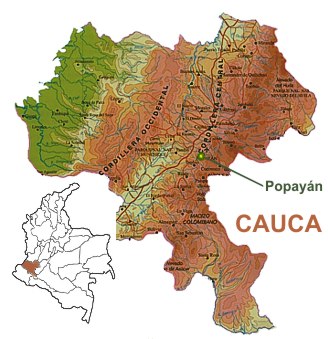
Nueva Denominación de Origen Café de Cauca de Colombia

El 10 de agosto recién pasado la Superintendencia de Industria y Comercio de Colombia (SIC) acogió a solicitud de registro de la Denominación de Origen "Café de Cauca" para la clase 30 del nomenclátor, a nombre de la Federación Nacional de Cafeteros.

El gremio de los caficultores inició el trámite, luego de un proyecto de investigación y caracterización que comenzó en el 2006.

La solicitud fue presentada en octubre de 2009 dentro estrategia de posicionamiento de cafés regionales que comenzó el año pasado (abril y octubre) junto con la solicitud de Denominación de Origen "Café de Nariño". Hoy ambas están concedidas.


Read More

Wednesday, 14 September 2011

Rodrigo Ramirez Herrera @ramahr

VIII Ronda de negocación del Acuerdo Transpacífico (TPP) y la propiedad intelectual

El viernes 9 de septiembre comenzó en Chicago, Estados Unidos, la VIII Ronda de Negociaciones para un Acuerdo Transpacífico (TPP por sus siglas en inglés), en la que participan, Chile, Australia, Brunei, Estados Unidos, Malasia, Nueva Zelandia, Perú, Singapur y Vietnam. Como ha acontecido en rondas anteriores, durante la semana estarán negociando los distintos grupos ya conformados, tales como Inversiones, Acceso a Mercados, Servicios, Asuntos Legales, Aduanas, Propiedad Intelectual, Cooperación, Medio Ambiente, Movilidad de Personas, Servicios Financieros, Reglas de Origen, Medidas Sanitarias y Fitosanitarias, Obstáculos Técnicos al Comercio, Compras Públicas, Competencia, Asuntos Laborales, Temas Horizontales y Comercio Electrónico, entre otros.

En este marco, el día lunes recién pasado el Representante de Comercio de los Estados Unidos (USTR), pidió la eliminación de tarifas y una mayor protección de la propiedad intelectual para los medicamentos. El representante estadounidense dijo que la propuesta está destinada a promover el comercio de medicinas innovadoras y genéricas y garantizar los derechos de propiedad intelectual de los productores farmacéuticos.

Por su parte la ONG Médicos Sin Fronteras (MSF) hizo referencia a esta posición de EE.UU. considernándola como fuertemente restrictiva sobre la propiedad intelectual, que va más allá de lo requerido por el derecho comercial internacional, y que deja de lado compromisos previos suscritos para proteger la salud pública en acuerdos comerciales. “Nuestra experiencia alrededor del mundo muestra que los programas de tratamiento de MSF – y las vidas de nuestros pacientes – dependen de la disponibilidad de medicamentos genéricos de calidad y a precios accesibles,” explicó Sophie Delaunay, directora ejecutiva de la oficina de MSF en Estados Unidos. “Lo que aquí estamos viendo es que Estados Unidos y la industria farmacéutica están tratando de imponer algunas de las protecciones de patentes más severas que hayan existido, retrasando significativamente el ingreso de medicamentos genéricos en los países que suscriban al TPP, y generando así una contradicción fundamental entre las políticas comerciales de Estados Unidos y sus compromisos a favor de la salud global.”
Según MSF, EE.UU. tiene presión de sus socios comerciales, incluyendo países en desarrollo, para que efectivamente bajen los estándares para otorgar patentes, limiten la capacidad de cuestionar patentes, y creen nuevas formas de observancia de la propiedad intelectual, medidas que demoran el ingreso de drogas genéricas más accesibles. 

Intercambios entre el Congreso estadounidense y USTR indican que propondrán otras duras medidas que  podrían incluir la extensión de patentes que alargarían los derechos de exclusiva por más de 20 años; la creación de enlace de patentes, que retrasará la aprobación regulatoria de medicamentos genéricos; y plazos más extendidos de exclusividad de datos, que restringen aún más el acceso a los datos clínicos necesarios para la aprobación de drogas genéricas de forma expeditiva.

Aunque las partes que negocian el TPP no están obligadas a exponer sus posiciones de negociación al público (sólo el texto final acordado será divulgado públicamente), MSF cree que las negociaciones comerciales regionales y bilaterales, incluido el TPP, deben ser conducidas de manera abierta y transparente, permitiendo la participación de la sociedad civil y otros actores relevantes, asegurando así que las necesidades de salud pública reciban la atención adecuada. 

No siendo públicos los textos de las negociaciones en curso (que es nota característica de los procesos de firmas de TLC's) los ciudadanos de los países involucrados sólo podrían tener acceso a los contenidos por la vía de solicitar y recibir información de sus respectivas administraciones estatales de los procesos públicos que cada sistema permita (con mayor o menor anchura), y según queden o no sujetos a reserva o secreto, lo que dependerá de cada ley interna, justificadas normativamente respecto de la no divulgación conforme la ponderación de la autonomía y libertad de los individuos (afectada por los acuerdos estatales) frente a los intereses del bien común, sin perjuicio de la aprobación interna por los respectivos poderes legislativos del tratado que se suscriba.

Read More
Rodrigo Ramirez Herrera @ramahr

Venezuela will amend its Intellectual Property Law

The Autonomous Service for Intellectual Property (SAPI) is preparing to amend the Intellectual Property Law, said José Villalba, the president of the Venezuelan agency.

Villalba told state-run news agency AVN that SAPI will publish three proposals from different sectors in order to inform people and to discuss the draft projects. "We have agreed to amend the Intellectual Property Law, but we believe in the concept of people acting as lawmaker. This law can not be the result of secret discussions of one or another political group. For instance, was the law proposed by (former minister) Eduardo Samán the result of a discussion?"

Villalba recalled that the current law was passed in 1955, and was not abrogated.

The official said that Venezuela and member countries of the Bolivarian Alliance for the Peoples of Our America- ALBA (Bolivia, Commonwealth of Dominica, Cuba, Ecuador, Nicaragua, Saint Vincent and the Grenadines, Antigua and Barbuda,) are subject to treaties signed with the World Trade Organization (WTO), which regulates oil marketing aspects, among other issues.


Read More
Patricia Covarrubia

No longer at ease with data protection

    No comments:
Yesterday the International Chamber of Commerce (ICC) together with the Chilean National Chamber of Commerce (CNC) held a seminar to launch the eighth (updated) code for business and marketing practices. The code is intended as a mere guide for companies around the world and is not mandatory.

The focus in this new code is: online marketing and the use of certain terms that imply environmental friendly for advertising. Certainly both matters pursue to protect consumers.

Regarding the collection of information online, the code stresses that the page must include a clear note of how the information is collected, what type of data is kept and the use it will be given. It also expresses the view that explicit consent of users to use such information must be received and it is forbidden to create online mechanisms to engage with children under the age of 12.

On the topic of environment friendly “it is recommended to ensure that the statements and visual treatments do not misinform, overestimate or exploit consumers' concerns about the environment. It is also advised to avoid phrases such as ‘green’, ‘sustainable’ or ‘carbon friendly’ if there is no scientific validation that proves the benefits that the company advertises.”

There is no legislation in Chile which regulates advertising practices. However, there is a organisation called Self-Regulation and Ethics Council (CONAR), that brings together major agencies and advertisers and whose decisions are binding. Hopefully in the near future we will see Chile passing a bill regarding Data Protection – this new revolution of IT asserts that data held on individuals are no more kept in cabinets. Indeed, technological developments allow the collection and store of the user’s personal data – yes I am talking about ‘cookies’ (not the one that you have with your coffee or tea). Personal data has become more widespread with internet and perhaps we have become more careful with this but yet this does not stop us using it. Thus, the code is welcome.
Read More

Tuesday, 13 September 2011

Patricia Covarrubia

A flavoured project hits the IP market

    3 comments:
I humbly announce the book “Chemical Sense Marks: Frequent Concerns When Applying for Trade Mark Registration at the OHIM”. The book is a monologue based on my PhD which I concluded at Brunel University (2010) under the supervision of Prof Peter Jaffey and examined by Prof Paul Torremans from the University of University.

While the work is based on the EU Regulation and Directive the idea opens the door to the protection of chemical senses (smell and taste) under any Trade Mark law regime. The hypothesis brought is that despite some early successful registration, their fate is still burdened with uncertainty and therefore the rationale for this study is to try to find whether chemical sense marks are truly marks and so protectable under the trade mark system.

More information here.
Read More
Patricia Covarrubia

Some thoughts on taking advice

    No comments:
Promoting innovation, strengthening national IP systems and developing actions to ensure the correct management and protection of IPRs leads us to this new trend of cooperation between national IP offices. To this effect a Memorandum of cooperation between the Mexican Institute of Industrial Property (IMPI) and the Federal Service for Intellectual Property (Russian Federation) was signed on the 24th of August this year.

The memorandum which can be read here, sets up certain goals related to IP like: technical expertise in human resources; seminars and workshops targeting small and medium enterprises on both countries; and, exchange of experiences in the use of international classification systems.

I am not sure if you have noticed the latest tendency that IP offices in Latin America are pursuing, namely associations or agreements or cooperation with other IP offices. We have for example Mexico and Japan;Brazil and Portugal; Brazil and Chile; UK and Brazil and I surely I am missing some more. In any case, I believe that anything that promotes and strengthen relations between countries is a good omen but this can be troublesome if not taken with cautious. In other words, when we take advice from different sources logic indicates that we take bits and bots – the best that suits us, but sometimes mixing many ideas, do not work well together – too many cooks spoil the soup!
Read More
Rodrigo Ramirez Herrera @ramahr

Indicación Geográfica "Café de Costa Rica Diseño"

El Instituto del Café de Costa Rica (ICAFE) anunció que el café costarricense será identificado con la Indicación Geográfica "Café de Costa Rica Diseño", dentro de una serie de medidas que permitan reposicionar el producto en la producción nacional. El director del Icafe, Ronald Peters dijo que la Indicación Geográfica "Café de Costa Rica Diseño" permitirá a unas 50 mil familias productoras diferenciar su grano en los mercados internacionales, obteniendo mejores resultados, como ocurre con el café colombiano, el vino chileno y los chocolates suizos, según ejemplificó.

La producción costarricense de café era de 3,15 millones de fanegas en el período 2001-2002 y cayó a 1,94 millones de fanegas en el año cafetero 2009-2010. Entre 2010 y 2011 se recuperó ligeramente a 2,03 millones de fanegas y ahora se pretende aumentarla en medio millón para el 2016. El sector cafetero también pretende incrementar la producción anual, en 500 mil fanegas de fruta, equivalente a la misma cantidad de sacos de 46 kilos, en grano ya beneficiado en los próximos cinco años.

Este signo distintivo permitirá al café del país distinguirse como poseedor de características únicas en el mundo. Actualmente y a partir de este año también el "Banano de Costa Rica"  es Indicación Geográfica protegida.

Fuente: www.ansa.it
Read More